Office-Based
Traditional or open-plan office with set location and team presence. Opportunity: structured breaks, walking meetings. Challenge: visibility and time pressure.
Get Office StrategiesWhether you work in an office, remotely, or in a hybrid arrangement, we have practical strategies tailored to your environment. Informational guidance for your unique situation.
Each workplace presents unique opportunities and constraints for activity integration. Find your scenario.
Traditional or open-plan office with set location and team presence. Opportunity: structured breaks, walking meetings. Challenge: visibility and time pressure.
Get Office StrategiesFull-time work from home with flexible schedule. Opportunity: personalised pacing, home movements. Challenge: blurred boundaries, isolation.
Get Remote StrategiesMix of office and home days. Opportunity: adapting between environments. Challenge: consistency across locations.
Get Hybrid StrategiesMeetings-heavy, client-facing, or constantly moving roles. Opportunity: integration into existing transitions. Challenge: unpredictability.
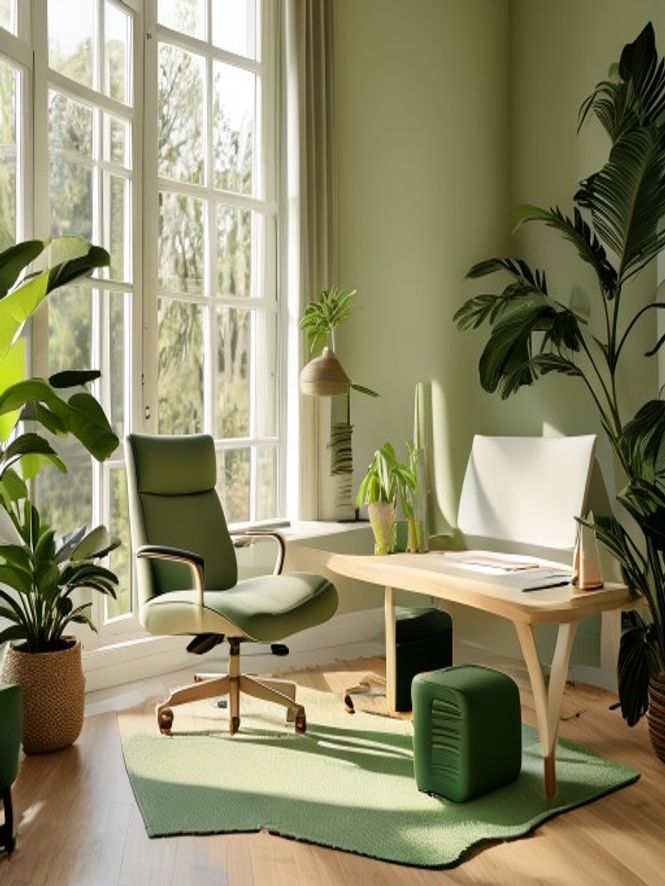
Get Adapted StrategiesRemote work offers unique flexibility. The challenge is creating structure and boundaries that support consistent activity integration when your office is your home.
Key strategies include: designating a specific work zone, setting visible "pause times" in your calendar, using environmental cues (music, timers), and building pauses around natural transitions like lunch or between video calls.
This is informational guidance. Your personal situation may require customised approaches from a professional consultant.

You don't need to create new time—you need to use existing breaks more intentionally. Between meetings, during lunch, while waiting for responses, during transit: these are your pause opportunities.
Our consultations help you audit your typical day to identify these natural gaps and match them with activities that feel refreshing and sustainable for you personally.
The goal is integration with minimal disruption to your existing workflow.
Here are examples of how pauses work across different job types. Adapt these to your actual role and preferences.
| Sector | Typical Constraint | Pause Opportunity |
|---|---|---|
| IT/Tech | Deep focus requirements, back-to-back standups | Walking between meetings, standing desk switches, stairwell use |
| Customer Service | Scheduled breaks, shift work | Intentional break-time movement, walking between call batches |
| Creative/Design | Project flow disruption concerns | Walking for creative clarity, standing presentations, active brainstorms |
| Management | Client demands, visibility expectations | Walking meetings, standing one-on-ones, stairwell use between offices |
| Finance/Admin | Desk-bound reporting, deadline pressure | Regular standing intervals, walking between tasks, scheduled breaks |
| Sales | Client meetings, travel | Walking to meetings, transit-time movement, hotel room routines |
Movement is increasingly normalised in workplaces. Consider: walking meetings (productive and active), standing during calls, desk-side stretches, or stairwell use. Many colleagues likely want the same. Starting a small shared practice can reduce individual visibility concerns.
The framework starts with small, existing breaks. It's not about adding time but redirecting time you already have. Even 5 minutes of intentional movement during existing breaks can be valuable. Our consultants help identify realistic pacing for your actual situation.
This is common in mobile or varied roles. The framework emphasises flexibility and quick adaptation. You learn to identify pause opportunities regardless of context and adjust your approach as circumstances change. Consultations can help build this adaptability.
Yes. Group practices can increase sustainability and social support. We offer workshop formats and team-based consulting to help groups build shared practices. This can also shift workplace culture around activity and wellness.
Our consultants will work with your specific workplace setup to design practical, sustainable approaches.
Schedule Consultation